
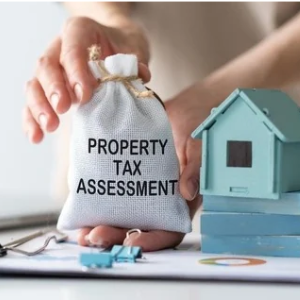
If your bank account is being drained by disproportionate property taxes, you may have already started to think about a tax assessment appeal for your commercial real estate. Unfortunately, the process can be complicated, and trying to do everything yourself always carries risks. Here is what Pennsylvania property owners need to know about tax assessment reviews, including:
- What the commercial property tax assessment appeal process looks like in Pennsylvania.
- The advantages and disadvantages of trying to do your own commercial property tax assessment appeal.
- How an attorney or tax consultant can help simplify the process and avoid some risks.
What’s involved in a Commercial Property Tax Assessment Appeal In Pennsylvania?
The tax assessment appeal process generally begins by identifying the property’s current assessment it’s implied fair market value under the rules applicable to the particular county and tax year.
From there, the property owner will need to determine the current market value of the property, that may involve reviewing
- Recent Appraisals,
- Comparable sales,
- Leases,
- Rental rates,
- Occupancy,
- Operating expenses,
- Capitalization rates,
- Physical condition,
- Other market information.
If the analysis indicates that the property may be over assessed, the next step is to initiate the appropriate appeal procedure.
How Can A Property Owner In Pennsylvania File A Tax Assessment Appeal?
The exact procedures for contesting your commercial property’s tax assessment vary by county.
In Allegheny County, for example, you can file an annual appeal with the Board of Property Assessment Appeals and Review. The Board conducts a hearing and considers valuation evidence submitted by the parties. Other Pennsylvania counties have their own assessment boards, filing requirements, and hearing procedures.
Furthermore, if you are dissatisfied with an administrative decision, Pennsylvania law generally provides a right to seek review in the Court of Common Pleas, subject to applicable statutes and local court rules. Court proceedings are legal proceedings and are different from simply performing a valuation analysis or gathering market information. Commercial properties that are owned by entities such as a Limited Liability Company (LLC’s) may need to have attorney representation at the Board of Assessment and they MUST have an attorney at the Court of Common Pleas.
For a commercial owner, much of the important work occurs before the hearing. A well-prepared assessment appeal requires an understanding of the property, the applicable valuation methodology, and the evidence necessary to establish a supportable fair market value.
Because Pennsylvania assessment law, deadlines, and procedures can vary by county and circumstance, you should consider consulting with a Pennsylvania attorney, especially if you need advice about your legal rights or if you end up needing representation in the Court of Common Pleas. Getting an attorney involved early in the process can save you time and effort.

Why Do Some Commercial Property Owners Initially Consider Handling An Appeal On Their Own?
Inevitably, people balk when they consider hiring an attorney, if only for the expense. Cost is a key factor; after all, the goal of the tax assessment review is to save money, not spend it on a law firm.
If you are a property owner who believes your assessment appears to be obviously too high, you might think you will be able to explain that to the assessment board without professional assistance.
Like most property owners, you probably know your property extremely well. You know the tenants, expenses, condition of the building, and problems affecting the property, so it might seem unnecessary to involve someone else.
The difficulty is that knowing what you think a property is worth and valuing it for assessment purposes are not always the same thing and you may be leaving valuable dollars on the table
What Are The Risks Of Proceeding Without Professional Assistance?
You may have good reasons to believe the property is worth less than the county’s current estimate of its value but still struggle to translate those facts into valuation evidence. Assessment proceedings focus primarily on the market value of the real estate. The fact that taxes are burdensome or that you are experiencing business difficulties does not by itself establish a lower fair market value or warrant an assessment reduction.
For a smaller property with a straightforward valuation issue, you may handle an administrative matter personally if local rules permit. However, if your property is formed as an LLC or other legal entity, you may be required to hire an attorney no matter how small the assessment.
As the property’s size and value increase, so do the potential tax savings and legal complexities. As a result, there is usually a greater reason to have the assessment reviewed professionally before deciding how to proceed.
Owners should also be careful about relying on nonlawyers, the internet, chatbots or outdated sources for legal advice. A consultant can assist with valuation, property analysis, and other consulting functions, but questions involving legal rights, interpretation of assessment law, court proceedings or legal representation should be directed to a licensed Pennsylvania attorney.
What Challenges Do Commercial Property Owners Commonly Face During A Property Tax Assessment Appeal?
One of the biggest challenges you will have to deal with is determining a supportable value before filing the appeal.
Many owners focus on the amount of taxes they pay rather than the market value underlying the assessment. Others rely on a single sale or an appraisal prepared for a different purpose without considering whether it is persuasive in an assessment proceeding.
Commercial valuation can become complicated quickly, for example: Actual rents may differ from market rents; Income and expense information must be analyzed correctly; Some expenses may be treated differently for valuation purposes; Selection of capitalization rates should reflect the property type, location, condition, and market at the relevant time.
Another challenge is recognizing risk. Filing an appeal places the property’s assessment before the applicable board for review. Depending upon the circumstances and local procedure, the result may not necessarily be a reduction. You need to understand the possible consequences before proceeding, or you could end up losing even more revenue to taxes.
Procedural requirements also matter. Filing deadlines, evidentiary requirements, hearing procedures, and subsequent appeal deadlines can vary significantly among Pennsylvania counties. Missing a deadline or making a mistake could invalidate your entire effort. Even a strong valuation position can be compromised by a procedural mistake.
Despite these risks, owners sometimes choose to proceed on their own, but if (or when) the issue moves beyond valuation and into questions of legal rights or procedures, only an attorney can help.
How Can A Property Tax Consultant Or Attorney Help Simplify The Tax Assessment Appeal Process?
The first benefit of working with an attorney is identifying what kind of help you actually need. We will make sure you do not waste your time on a hopeless appeal, or worse, end up paying more in taxes.
A property tax attorney can also assist with the practical elements:
- Property research,
- Valuation analysis,
- Review of assessment records,
- Comparable sales,
- Income information,
- Financial consequences.
In addition, we can advise you on questions of Pennsylvania assessment law, legal strategy, procedural rights and court proceedings.
In our practice, the valuation and legal sides of an assessment matter often overlap. Our objective is to identify the relevant valuation issue, determine whether an appeal makes economic sense and then pursue the matter through the appropriate process.
For owners with multiple properties, this can be especially useful. A portfolio can be reviewed systematically to identify properties where an appeal appears justified while weeding out properties where the existing assessment should be left alone.
Our objective is never to file as many appeals as possible, but rather to identify assessments that warrant a challenge and pursue those matters efficiently for you.
Our work is concentrated in Allegheny County and Western Pennsylvania, but we also evaluate commercial properties throughout Pennsylvania when the potential tax savings warrant an appeal
Disclaimer
The information contained in this article is provided for general informational purposes and is not intended as legal advice. Pennsylvania property assessment procedures, filing deadlines, and appeal rights vary by county and may change. Property owners should confirm current requirements with the applicable county assessment office and should consult a licensed Pennsylvania attorney concerning their particular legal rights and circumstances. Property tax consulting services do not constitute legal advice unless provided through an attorney-client relationship. Past results do not guarantee a similar outcome in any future matter.”
Still Have Questions About Your Property’s Tax Assessment? Ready To Get Started On Your Review?
For more information on property tax assessment appeals in Pennsylvania, an initial consultation is your next best step. Get the information and legal answers you are seeking by calling (412) 202-8003 today.


